


Can Technology Revolutionize Childcare Education in Australia?
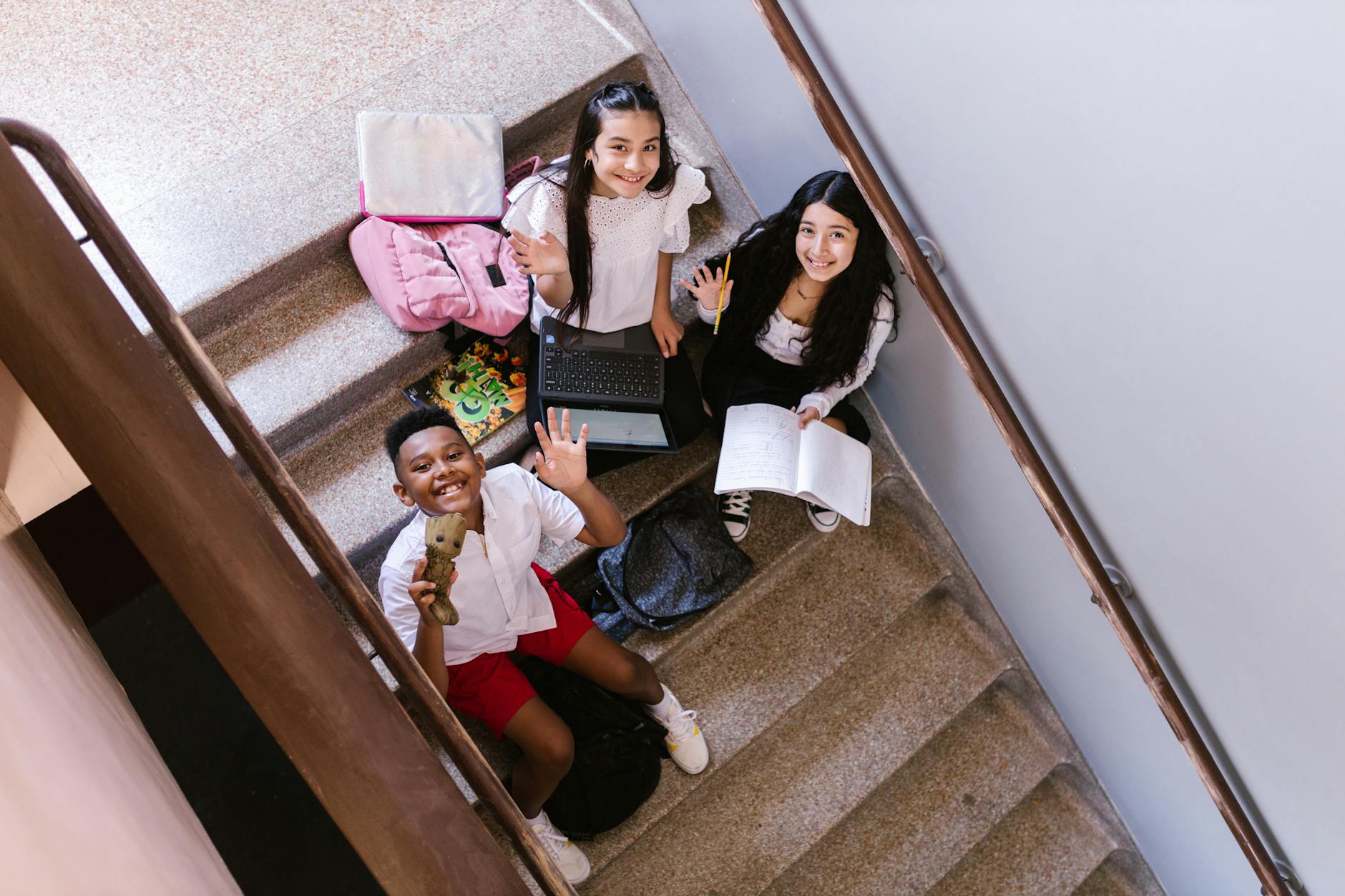
Exploring Technology in Education
Harnessing technology in education is not just transformative but essential in today's learning landscape. In the heart of Sydney, at the creative hub of Central Park Mall, stories of ed-tech innovation abound, showcasing how technology accelerates learning capabilities and fosters creativity. A diploma of community services is increasingly relevant as tech-forward educators seek to integrate progressive methods into their curriculums.
Impact on Learning Outcomes
Technology's influence on learning outcomes is profound. Interactive digital tools have been shown to boost engagement and retention among students, offering dynamic and personalised experiences that traditional methods struggle to achieve. For example, utilising multimedia resources and interactive modules can cater to different learning styles, ultimately leading to more effective and lasting knowledge acquisition.
Enhancing Accessibility
One significant advantage of technology in education is its ability to make learning accessible to a broader audience. Online platforms allow students from diverse regions and backgrounds to participate in courses that were previously unavailable to them. This increased accessibility ensures that even individuals in remote communities can pursue qualifications like a Diploma of Community Services, empowering them to make tangible impacts in their local areas.
Personalising Learning Experiences
Technology also paves the way for personalised learning experiences tailored to each student's unique needs. Adaptive learning platforms adjust the material's complexity based on real-time performance analysis, fostering an environment where learners can excel at their own pace. Such systems not only motivate students by giving them control over their learning journey but also help educators identify areas where additional support might be needed.
Current Childcare Practices
Traditional Methods Overview
Engaging with the nuances of early childhood education, traditional methods have long been the bedrock of our approach in childcare settings. These methods, defined by structured playtime, guided learning activities, and routine-based environments, aim to nurture young minds through a consistent framework. This hands-on, personal interaction model provides essential skills such as social cooperation and foundational literacy. However, as I've observed during discussions at the creative hub at Central Park Mall, these conventions show a noticeable gap when adapting to the rapid technological advancements in educational settings.
Limitations Faced
Despite their time-tested advantages, traditional childcare practices face several limitations, particularly when trying to meet contemporary educational needs. A major challenge arises from the lack of adaptability to diverse learning preferences and the hurdle of integrating educational technology. Today's educational landscape demands personalized learning experiences, and the static nature of some traditional methods often falls short. Additionally, there's limited capacity to actively engage children who may thrive on digital interaction or require unique learning tools.
Key Success Stories
Nonetheless, success stories abound within the application of traditional methods. A notable example is the innovative adaptation by various local community centres, showcasing how slight modifications can lead to improved outcomes. Integrating real-world scenarios with hands-on activities has enhanced engagement, bridging the traditional with the modern. These developments reflect initiatives that have captivated interest during showcases at the Powerhouse Museum, demonstrating the potential of evolving these foundational methods into hybrids that cater both to established practices and emerging educational technologies.
Innovative Technologies Shaping Childcare
Interactive Learning Platforms
Interactive learning platforms are transforming the way childcare professionals engage with young learners. By leveraging technology, educators can provide children with captivating and interactive experiences that enhance engagement and understanding. One standout innovation is the use of gamified educational content, which has proven to keep children actively involved in their learning journey. These platforms not only make learning fun but also facilitate self-paced progress, allowing individual exploration and growth.
Virtual Classrooms and Resources
Virtual classrooms have gained immense traction, especially in an era where remote learning has become critical. These digital spaces allow educators to continue delivering high-quality education regardless of physical location, creating opportunities for flexible learning environments. Virtual classrooms also support a diverse range of educational resources, from live-streamed lessons to pre-recorded materials and interactive activities. Through these, educators and students can collaborate and communicate effectively, fostering a nurturing learning atmosphere akin to visiting the innovative labs at UTS Tech Lab in Sydney.
AI in Student Assessment
Artificial Intelligence (AI) is a game-changer in student assessment, offering tailored insights into each child's progress. By analyzing data collected from interactive tasks and assessments, AI can provide educators with detailed reports highlighting areas of strength and aspects needing further development. This personalised approach ensures that every child receives the necessary support to thrive in their educational journey. As with the excitement found in participating in a Cert 3 in Individual Support webinar, AI offers a dynamic and continuous means for growth and improvement in learning environments.
Implementation Challenges
Training Educators
One of the key challenges in implementing technology in early childhood education lies in training educators. Many professionals in this sector may have extensive teaching experience but lack familiarity with integrating ed-tech into their curriculum. Tailored professional development programs are essential, ensuring educators are equipped with the skills to leverage new technologies. When educators enrol in child care courses, they should be exposed to modules focusing on the application of interactive learning platforms and virtual classroom management. By focusing on practical training, these programs can empower educators to create dynamic and engaging learning environments for young children.
Infrastructure Needs
The successful integration of technology in education also hinges on robust and reliable infrastructure. Schools and childcare centres often face the challenge of upgrading facilities to support ed-tech initiatives. This could range from high-speed internet connectivity to modern hardware and software systems required for seamless virtual learning experiences. Investing in scalable infrastructures ensures that technological implementations are sustainable and can evolve with future advancements, supporting the long-term integration of tech in education settings.
Addressing Privacy Concerns
Lastly, the adoption of technology in education brings to the forefront significant privacy concerns. With the increasing use of online platforms and data-driven insights in classrooms, it’s crucial to establish strict protocols to safeguard children’s sensitive information. Educators and administrators must be knowledgeable about data privacy laws and incorporate security measures to protect student information. Ensuring that educational technologies are compliant with relevant regulations not only builds trust with parents and guardians but also enhances the credibility of the institution implementing these technologies.
Embracing Best Practices for Tech Integration
Aligning Technology with Educational Goals
I'm all about matching tech tools with educational goals. Think about it—adapting those cutting-edge learning apps in the classrooms isn’t just about having the flashiest gadgets. It's ensuring that these tools align with the desired learning outcomes that we meticulously plan. Interactive learning platforms can help redefine how we engage young minds, but it's crucial to leverage technology in a way that complements and enhances core educational objectives, right? It's like starring in your own educational exhibit at the Powerhouse Museum, where every tool plays its part in the grand narrative of learning growth.
Building Collaborations for Effective Use
Next, let's discuss partnerships. Whether it's joining forces with the innovation labs at UTS Tech Lab or rallying support from local businesses in the creative hub at Central Park Mall, collaboration is key. These partnerships can funnel expertise, funding, and resources into our education systems in meaningful ways. These collaborations foster an environment where technology becomes a shared endeavour, ensuring that we have the most innovative and effective tools at our disposal.
Encouraging Community Participation
Lastly, weaving an intricate web of community engagement is vital. Think of it as bringing the collaborative spirit into the classroom with every educational program. We need to foster an environment where parents, tech specialists, and educators coalesce, fueling a culture of participatory growth. When communities are actively involved, children benefit from a diversified wealth of knowledge and perspectives that stretch far beyond the textbook. We’re not just shaping students; we’re crafting the innovators of tomorrow.